
Genuinely Repenting
The word repentance means “to turn around” or “to change one’s mind.” It is illustrated by someone who is walking west and, for whatever reason, suddenly turns 180 degrees and walks toward the east. In the context of an apology, it means that an individual realizes that his or her present behavior is destructive. The person regrets that pain he or she is causing the other person, and they chooses to change their behavior.
How then do we speak the language of repentance? It begins with an expression of intent to change. All true repentance begins in the heart. We recognize that what we have done is wrong, that our actions have hurt the one we love. We don’t want to continue this behavior; therefore, we decide that with God’s help, we will change. Then we verbalize this decision to the person we have offended. It is the decision to change that indicates that we are no longer making excuses. We are not minimizing our behavior but we are accepting full responsibility for our actions.
When we share our intention to change with the person we have offended, we are communicating to them what is going on inside of us. They get a glimpse of our heart – and this often is the language that convinces them that we mean what we say.
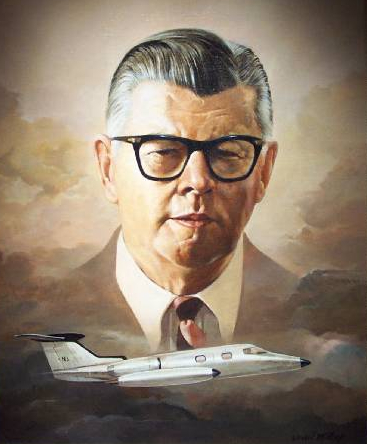
Bill Lear
The C-21 is the military version of the ‘Learjet’ corporate jet. The father of this amazing airplane was a man named Bill Lear. He produced the first corporate jet, the Learjet 23
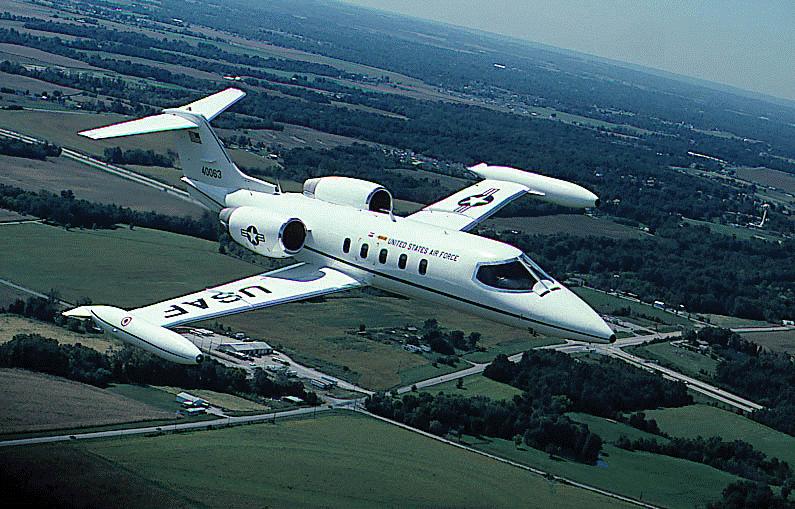
Whatever It Takes to Make It Right
In 1963, the first Learjet made its maiden voyage and in 1964 Bill Lear delivered the first production jet to a client.
Lear’s success was immediate, and he quickly sold a lot of planes. But not long after he got his start, Lear learned that two aircraft he’d built had crashed under mysterious circumstances. Some blamed pilot error, many weren’t pointing fingers at Lear, he could have dodged responsibility.
But … He sent word to all of the owners to ground their airplanes until his team could determine what had caused the crashes.
As he researched the crashes, Lear discovered a potential cause, but he couldn’t verify the technical problem on the ground. There was only one sure way to find out whether he had diagnosed the problem correctly. He would have to try to recreate it personally – in the air.
It was a dangerous process, but that’s what he did. He personally flew the jet, he nearly lost control and almost met the same fate as the other two pilots who had crashed. Lear developed a new part to correct the problem and fitted all 55 planes with it.
Grounding the planes cost Lear a lot of money and it planted seeds of doubt in the minds of potential customers. As a result, he needed 2 years to rebuild the business. But Lear never regretted his decision. He was willing to risk his success, his fortune, and even his life to solve the mystery of those crashes – but not his integrity. And that takes character.
There is a Proverb that says, “Moral character makes for smooth travelling” (Proverbs 11:5)
Your character determines who you are. Who you are determines how you see the world. How you see the world determines what you do.
Whether it’s flying a Learjet, leading in the military, or leading your family, it’s leading with character that counts.