
Introduction: His Needs, Her Needs
Incompatible and Irresistible
There are two important words that can describe a marriage: incompatible and irresistible.
When a husband and wife can’t get along, we may describe them as incompatible. Yet, at one time, we would have called those same two people irresistible to each other. Because they found each other irresistible, they made a lifetime commitment in marriage. Couples start out irresistible and only become incompatible as they leave each other’s needs unmet. When someone outside the marriage offers to meet those needs, an affair starts.
The key to avoid this is to understand his needs and her needs in a marriage. Based on psychologists, these are the basic needs of a husband and wife. As long as these needs are being met, the couple remains irresistible.
The Irresistible Man
Any husband can make himself irresistible to his wife by learning to meet her five most important emotional needs.
Affection. Her husband tells her that he loves her with words, cards, flowers, gifts, and common courtesies. He hugs and kisses her many times each day, creating an environment of affection that clearly and repeatedly expresses his love for her
Conversation. He sets time aside every day to talk to her. They may talk about events in their lives, their children, their feelings, or their plans. But whatever the topic, she enjoys the conversation because it is never judgmental, always informative and constructive. She talks to him as much as she would like, and responds with interest. He is never too busy “to just talk.”
Honesty and openness. He tells her everything about himself leaving nothing out that might later surprise her. He describes his positive and negative feelings, events of his past, his daily schedule, and his plans for the future. He never leaves her with a false impression and is truthful about his thoughts, feelings, intentions, and behavior.
Financial support. He assumes the responsibility to house, feed, and clothe the family. If his income is insufficient to provide essential support, he resolves the problem by upgrading his skills to increase his salary. He does not work long hours, keeping himself from his wife and family, but is able to provide necessary support by working a forty-to forty-five hour week. While he encourages his wife to pursue a career, he does not depend on her salary for living expenses.
Family Commitment. He commits sufficient time and energy to the moral and educational development of the children. He reads to them, engages in sports with them, and takes them on frequent outings. He reads books and attends lectures with his wife on the subject of child development so that they will do a good job training the children. He and she discuss training methods and objectives until they agree. He does not proceed with any plan of training or discipline without her approval. He recognizes that his care of the children is critically important to her.
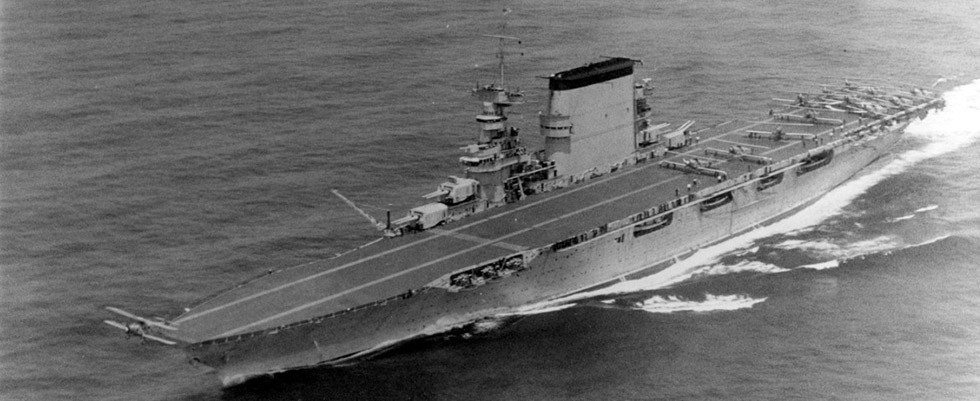
USS Lexington (CV-2), nicknamed “Lady Lex,” was an early aircraft carrier built for the United States Navy. She was the lead ship of the Lexington class; her only sister ship, Saratoga, was commissioned a month earlier.
The ship entered service in 1928 and was assigned to the Pacific Fleet for her entire career. Lexington and Saratoga were used to develop and refine carrier tactics in a series of annual exercises before World War II.
On more than one occasion these included successfully staged surprise attacks on Pearl Harbor, Hawaii.
The Irresistible Woman
A wife makes herself irresistible to her husband by learning to meet his five most important emotional needs.
Sexual fulfillment. His wife meets this need by becoming a terrific sexual partner. She studies her own sexual response to recognize and understand what brings out the best in her; then she shares this information with him, and together they learn to have a sexual relationship that both find repeatedly satisfying and enjoyable.
Recreational companionship. She develops an interest in the recreational activities he enjoys most and tries to become proficient at them. If she finds she cannot enjoy them, she encourages him to consider other activities that they can enjoy together. She becomes his favorite recreational companion and he associates her with his most enjoyable moments of relaxation.
Physical attractiveness. She keeps herself physically fit with diet and exercise and she wears her hair, makeup, and clothes in a way that he finds attractive and tasteful. He is attracted to her in private and proud of her in public.
Domestic support. She creates a home that offers him a refuge from the stresses of life. She manages the household responsibilities in a way that encourages him to spend time at home enjoying his family.
Admiration. She understands and appreciates him more than anyone else. She reminds him of his value and achievements and helps him maintain self-confidence. She avoids criticizing him. She is proud of him, not out of duty, but from a profound respect for the man she chose to marry.
When a man finds a woman who exhibits all five qualities, he will find her irresistible. But again the same note of caution must be sounded for women that sounded for the men. If a wife meets only four of her husband’s five emotional needs, he will experience a void that can lead to problems. Like her husband, a wife must seek to bat 1,000 in meeting basic needs. Being satisfied with meeting three or four of his basic needs will not make you totally irresistible.
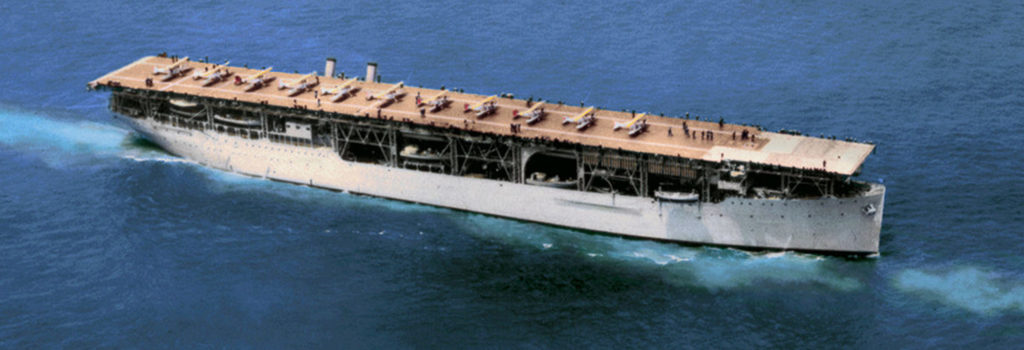
USS Langley, the first American aircraft carrier, joined the fleet in 1922 and served as the floating laboratory for naval flight operations
The First Aircraft Carriers
The first US aircraft carrier, USS Langley, entered service in 1922. It was not an impressive vessel by today’s standards – a converted collier with a top speed of 14 knots – but it was a start. The next two were much larger and faster. USS Lexington and USS Saratoga were originally meant to be battle cruisers. But at the Washington Conference in 1922 the leading naval powers agreed to limits on warship numbers. The battle cruisers could not be built – but two fleet carriers could.
Saratoga and Lexington were each capable of carrying 81 aircraft and had a top speed of 34 knots – faster than any warship of comparable size. In naval exercises from 1929 onward they proved their ability to play a key role as an offensive strike force.
Notably, in 1932 more than 150 planes from the two carriers executed a mock attack on the naval base at Pearl Harbor, which achieved total surprise and would have had a devastating effect if really carried out by an enemy power – the Japanese, for example.
We, too, can know our own vulnerabilities and prepare for future attacks.