The need for apologies permeates all human relationships. Marriage, parenting, dating, and vocational relationships all require apologies. Without apologies, anger builds and pushes us to demand justice. When, as we see it, justice is not forthcoming, we often take matters into our own hands and seek revenge on those who have wronged us.
In a family, this cycle, left uncheck, can lead to patterns of extreme dysfunction. Different people respond to apology most sincerely in different ways. This is their “apology language.” Learning how apologizing works and committing to do it well can change our lives.
Admitting the Need for a Course Correction
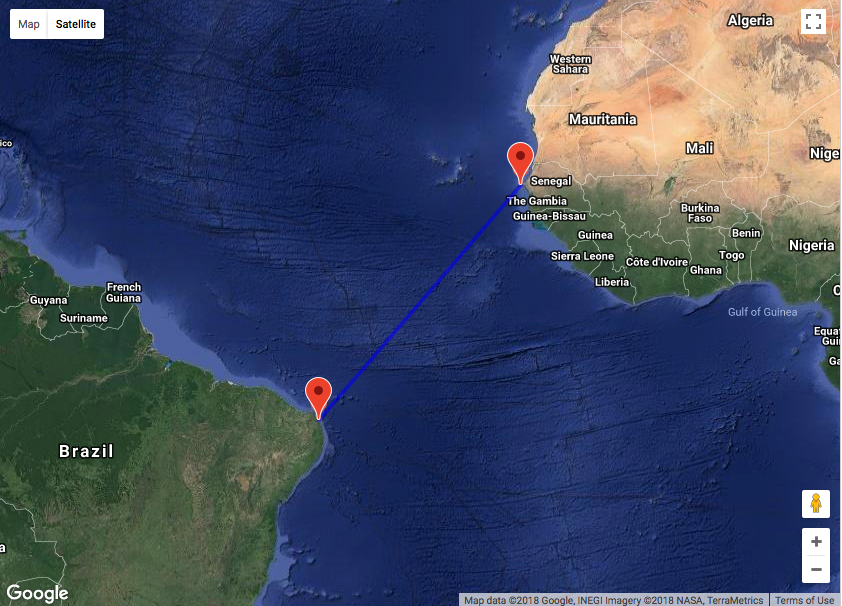
The year was 1937. Amelia Earhart and her navigator, Fred Noonan, were on one of the longest legs of their around-the-world attempt — crossing the South Atlantic from Fortaleza, Brazil to Dakar, Senegal. As Amelia sighted the African coast in the distance, Fred, who was seated at the navigator’s station behind the auxiliary fuel tanks, passed Amelia a note containing the latest course correction based upon his calculations:
3:36 Change to 36 degrees.
Estimate 79 miles to Dakar from 3:36 p.m.
While Fred was an experienced navigator, Amelia chose to disregard his instructions. For some reason, she believed that they could not have drifted as far off course as Fred’s navigation indicated. In fact, Amelia scribbled under Fred’s note: What put us north?
After flying for another 50 miles, the two found themselves at Saint-Louis, Senegal, many miles north of their intended destination. The occurrence, which Amelia later admitted was her error, fortunately only resulted in a short delay; the next day the pair flew south to Dakar to continue their journey.